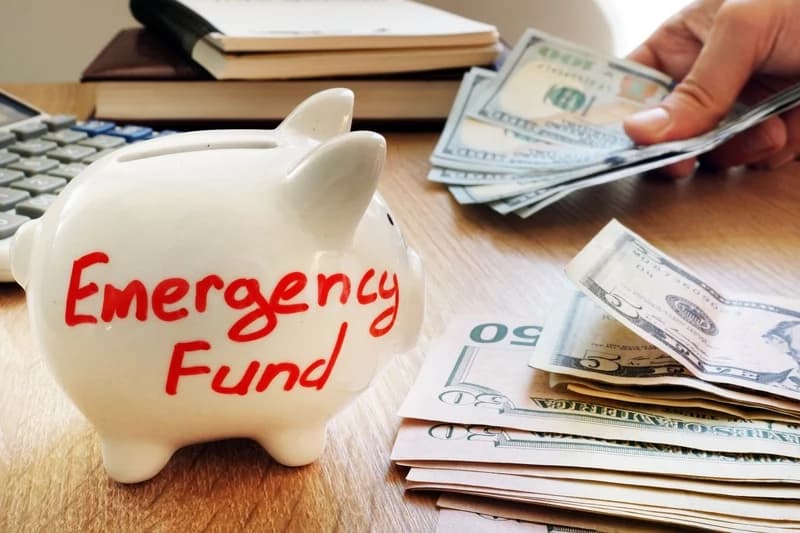
An emergency fund is one of the most important parts of personal finance.
It protects you from unexpected expenses like medical emergencies, job loss, or urgent repairs without falling into debt.
This article explains how much emergency fund you really need and how to build it step by step.
What Is an Emergency Fund?
An emergency fund is money set aside for unexpected situations.
It is not meant for vacations, shopping, or planned expenses.
Emergency funds are used for:
• Medical emergencies
• Job loss or income gaps
• Urgent home or car repairs
• Unexpected family needs
Why an Emergency Fund Is Important
Without an emergency fund, people often rely on credit cards or loans.
This can lead to high interest debt and long-term financial stress.
An emergency fund helps you:
• Avoid debt
• Reduce financial anxiety
• Handle crises confidently
• Protect long-term savings
How Much Emergency Fund Do You Need?
The ideal emergency fund depends on your lifestyle and income stability.
General guideline:
• 3 months of expenses → stable income
• 6 months of expenses → self-employed or variable income
• 9–12 months → high financial risk situations
Monthly expenses include:
• Rent or mortgage
• Food and groceries
• Utilities
• Transportation
• Insurance
Who Needs a Larger Emergency Fund?
Some people should save more than others.
You need a larger fund if you:
• Are self-employed or freelance
• Have dependents
• Work in an unstable industry
• Have health-related risks
Where Should You Keep Your Emergency Fund?
An emergency fund should be safe and easily accessible.
Best places include:
• High-interest savings account
• Money market account
• Separate bank account from daily spending
Avoid keeping emergency funds in:
• Stocks or mutual funds
• Crypto assets
• Locked investments
How to Build an Emergency Fund Faster
Building an emergency fund takes time, but consistency matters.
Simple strategies:
• Set a monthly savings goal
• Automate savings transfers
• Save bonuses or extra income
• Reduce unnecessary expenses
Common Emergency Fund Mistakes
Many people make mistakes that weaken their emergency fund.
Avoid these mistakes:
• Using it for non-emergencies
• Not replenishing after use
• Keeping money in risky assets
• Saving without a clear target
Final Thoughts
An emergency fund is your financial safety net.
It may not seem exciting, but it provides peace of mind and financial stability when you need it most.
Start small, stay consistent, and build a fund that protects your future.
It protects you from unexpected expenses like medical emergencies, job loss, or urgent repairs without falling into debt.
This article explains how much emergency fund you really need and how to build it step by step.
What Is an Emergency Fund?
An emergency fund is money set aside for unexpected situations.
It is not meant for vacations, shopping, or planned expenses.
Emergency funds are used for:
• Medical emergencies
• Job loss or income gaps
• Urgent home or car repairs
• Unexpected family needs
Why an Emergency Fund Is Important
Without an emergency fund, people often rely on credit cards or loans.
This can lead to high interest debt and long-term financial stress.
An emergency fund helps you:
• Avoid debt
• Reduce financial anxiety
• Handle crises confidently
• Protect long-term savings
How Much Emergency Fund Do You Need?
The ideal emergency fund depends on your lifestyle and income stability.
General guideline:
• 3 months of expenses → stable income
• 6 months of expenses → self-employed or variable income
• 9–12 months → high financial risk situations
Monthly expenses include:
• Rent or mortgage
• Food and groceries
• Utilities
• Transportation
• Insurance
Who Needs a Larger Emergency Fund?
Some people should save more than others.
You need a larger fund if you:
• Are self-employed or freelance
• Have dependents
• Work in an unstable industry
• Have health-related risks
Where Should You Keep Your Emergency Fund?
An emergency fund should be safe and easily accessible.
Best places include:
• High-interest savings account
• Money market account
• Separate bank account from daily spending
Avoid keeping emergency funds in:
• Stocks or mutual funds
• Crypto assets
• Locked investments
How to Build an Emergency Fund Faster
Building an emergency fund takes time, but consistency matters.
Simple strategies:
• Set a monthly savings goal
• Automate savings transfers
• Save bonuses or extra income
• Reduce unnecessary expenses
Common Emergency Fund Mistakes
Many people make mistakes that weaken their emergency fund.
Avoid these mistakes:
• Using it for non-emergencies
• Not replenishing after use
• Keeping money in risky assets
• Saving without a clear target
Final Thoughts
An emergency fund is your financial safety net.
It may not seem exciting, but it provides peace of mind and financial stability when you need it most.
Start small, stay consistent, and build a fund that protects your future.