Automation is increasingly promoted as the cure for overwhelmed healthcare systems.
From AI-driven triage tools to automated alerts and digital monitoring platforms, technology is positioned as a way to reduce human error and improve efficiency.
Yet beneath this promise lies a dangerous truth — automation in healthcare often introduces new risks that are poorly understood and rarely discussed.
Automated systems are designed around predefined rules and historical data.
In controlled environments, this may appear effective.
But medical emergencies are unpredictable, complex, and deeply human.
When automation encounters scenarios it was not designed for, the result is not efficiency — it is delay, misclassification, and failure.
One of the most serious risks of healthcare automation is the removal of human judgment from critical decision-making.
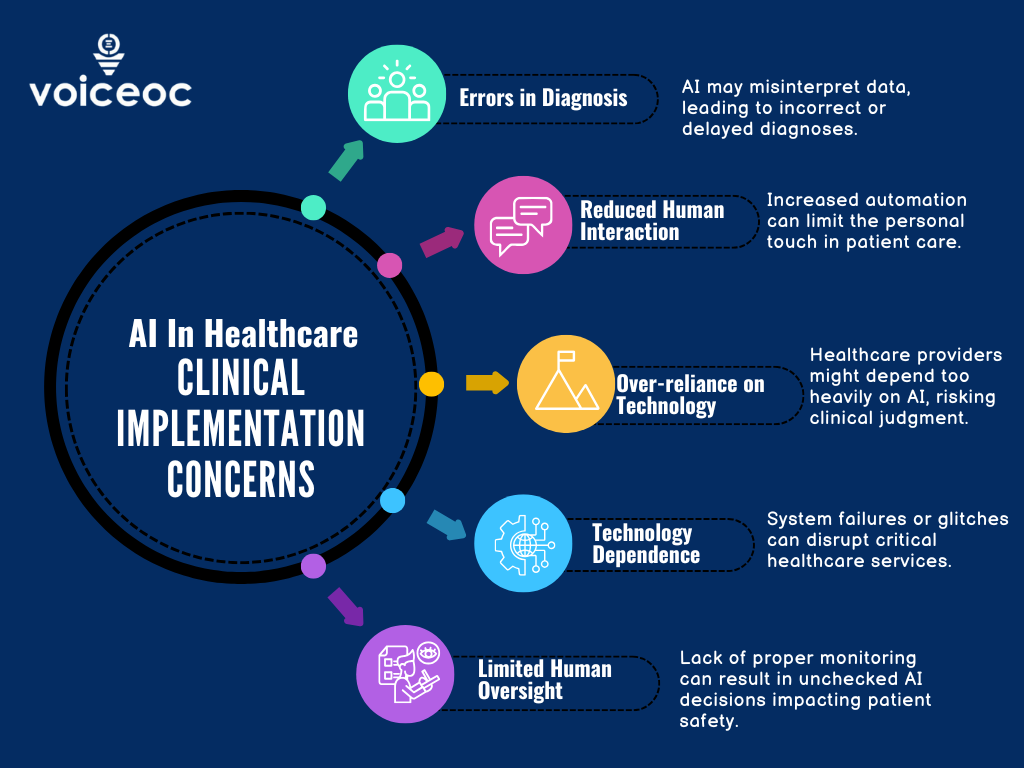
AI-based triage systems may deprioritize patients whose symptoms do not fit expected patterns.
Automated monitoring tools may miss subtle warning signs that trained clinicians recognize instinctively.
In these moments, technology does not fail loudly — it fails silently.
Hospitals and health tech companies often deploy automated systems to reduce operational costs.
Staffing is reduced, responsibilities are shifted to software, and accountability becomes fragmented.
When something goes wrong, there is no clear owner — only a chain of algorithms, vendors, and disclaimers.
This lack of accountability places patients at risk while protecting corporate interests.
Automation also creates a false sense of security.
Patients and families are encouraged to trust dashboards, alerts, and notifications without understanding their limitations.
When systems malfunction, people assume help is on the way — even when no human responder has actually been engaged.
This illusion of safety can be more dangerous than having no system at all.
In resource-constrained settings, the risks are even greater.
Automated healthcare tools are often deployed without adequate infrastructure, training, or fallback mechanisms.
When power fails, networks drop, or software crashes, entire care pathways collapse.
Those most dependent on these systems are also the least protected when they fail.
The problem is not technology itself.
The problem is the belief that automation can replace human care rather than support it.
Healthcare is not a factory line — it is a field where empathy, experience, and ethical judgment are essential.
Without human oversight, automation becomes a tool of cost-cutting rather than care.
To build safer healthcare systems, automation must be treated as an assistant, not an authority.
Technology should enhance human decision-making, not override it.
This requires transparency, rigorous testing, and a commitment to keeping trained professionals at the center of care.
The hidden risks of automated healthcare systems demand urgent attention.
If left unchecked, automation will continue to shift responsibility away from institutions and onto patients — with devastating consequences.
Healthcare technology must be designed to serve people, not replace them.
Anything less puts lives at risk.
From AI-driven triage tools to automated alerts and digital monitoring platforms, technology is positioned as a way to reduce human error and improve efficiency.
Yet beneath this promise lies a dangerous truth — automation in healthcare often introduces new risks that are poorly understood and rarely discussed.
Automated systems are designed around predefined rules and historical data.
In controlled environments, this may appear effective.
But medical emergencies are unpredictable, complex, and deeply human.
When automation encounters scenarios it was not designed for, the result is not efficiency — it is delay, misclassification, and failure.
One of the most serious risks of healthcare automation is the removal of human judgment from critical decision-making.
AI-based triage systems may deprioritize patients whose symptoms do not fit expected patterns.
Automated monitoring tools may miss subtle warning signs that trained clinicians recognize instinctively.
In these moments, technology does not fail loudly — it fails silently.
Hospitals and health tech companies often deploy automated systems to reduce operational costs.
Staffing is reduced, responsibilities are shifted to software, and accountability becomes fragmented.
When something goes wrong, there is no clear owner — only a chain of algorithms, vendors, and disclaimers.
This lack of accountability places patients at risk while protecting corporate interests.
Automation also creates a false sense of security.
Patients and families are encouraged to trust dashboards, alerts, and notifications without understanding their limitations.
When systems malfunction, people assume help is on the way — even when no human responder has actually been engaged.
This illusion of safety can be more dangerous than having no system at all.
In resource-constrained settings, the risks are even greater.
Automated healthcare tools are often deployed without adequate infrastructure, training, or fallback mechanisms.
When power fails, networks drop, or software crashes, entire care pathways collapse.
Those most dependent on these systems are also the least protected when they fail.
The problem is not technology itself.
The problem is the belief that automation can replace human care rather than support it.
Healthcare is not a factory line — it is a field where empathy, experience, and ethical judgment are essential.
Without human oversight, automation becomes a tool of cost-cutting rather than care.
To build safer healthcare systems, automation must be treated as an assistant, not an authority.
Technology should enhance human decision-making, not override it.
This requires transparency, rigorous testing, and a commitment to keeping trained professionals at the center of care.
The hidden risks of automated healthcare systems demand urgent attention.
If left unchecked, automation will continue to shift responsibility away from institutions and onto patients — with devastating consequences.
Healthcare technology must be designed to serve people, not replace them.
Anything less puts lives at risk.