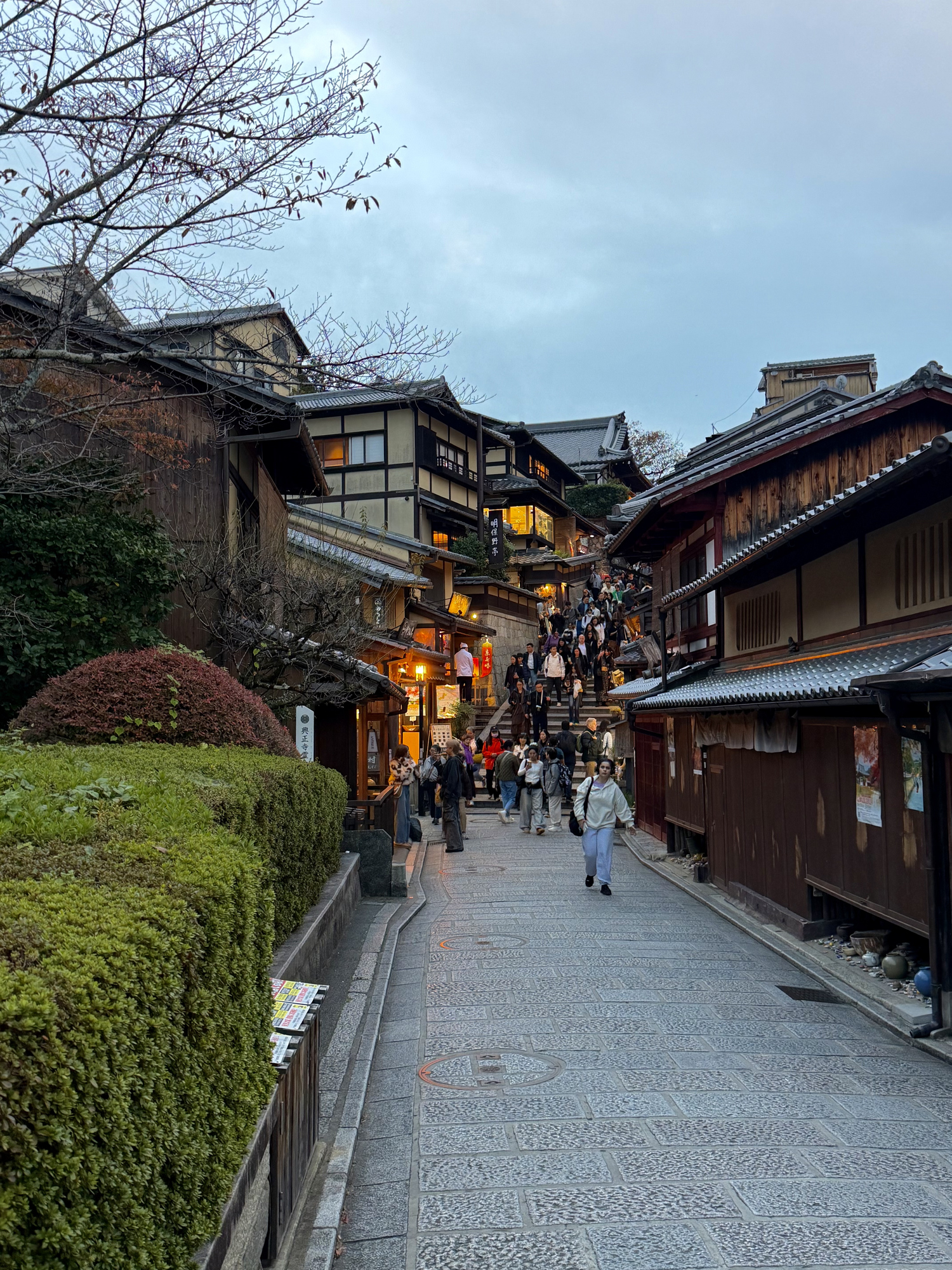
Kyoto is one of those rare destinations that feels like stepping into another time.
It attracts travelers who want history, nature, and calm surroundings — without the chaos of modern tourist hubs.
While many cities around the world have replaced tradition with skyscrapers and fast-paced life, Kyoto has carefully preserved its soul.
Here, you’ll find ancient temples standing beside quiet streets, locals practicing customs passed down for generations, and nature blending perfectly with urban life.
Kyoto is not just a place you visit.
It’s a place you experience slowly.
1. A City Filled With Ancient History
Kyoto served as Japan’s capital for more than 1,000 years, from 794 to 1868. During this time, it became the center of politics, religion, art, and culture. Because of this long history, Kyoto is home to: • Over 1,600 temples • Hundreds of shrines • Traditional neighborhoods preserved for centuries
Why this matters to travelers:
Unlike modern cities that constantly rebuild, Kyoto focuses on preservation. Entire districts are protected by law to maintain their historical appearance. Walking through Kyoto often feels like walking through an open-air museum — except people still live, work, and celebrate here. You’ll see: • Wooden townhouses called “machiya” • Stone pathways leading to shrines • Quiet courtyards hidden behind walls
What makes Kyoto truly special:
• Ancient temples surrounded by gardens • Traditional tea houses where rituals are still performed • Old streets lit by lanterns at night
Insight:
During festivals and ceremonies, many locals wear traditional kimono. This isn’t done for tourists — it’s a genuine part of daily culture. Visitors get to witness living history rather than staged attractions.
2. Nature That Changes Every Season
Kyoto’s natural beauty is one of its biggest charms. The city is surrounded by mountains, forests, and rivers, creating a peaceful environment even within urban areas. What makes Kyoto special is how dramatically it changes with each season.
Spring – A World of Cherry Blossoms 🌸
From late March to early April, cherry trees bloom across the city. Parks, temple grounds, and riverbanks transform into soft pink landscapes. Locals gather for “hanami” (flower viewing), enjoying picnics under blooming trees. The atmosphere feels joyful yet calm.
Summer – Green and Refreshing 🌿
Summer brings lush greenery and vibrant gardens. The bamboo forests become especially refreshing, offering shade and cool air. Even though temperatures rise, Kyoto’s natural spaces provide relief. Traditional summer festivals fill streets with music and lanterns.
Autumn – Golden and Red Beauty 🍁
From October to November, maple trees turn brilliant shades of red, orange, and gold. Temple gardens become breathtaking landscapes. This season is often considered Kyoto’s most beautiful time of year.
Winter – Peaceful and Spiritual ❄
Snow occasionally covers rooftops and temple grounds. The city becomes quieter and more reflective. Snow-covered temples create a magical, serene atmosphere.
Travel insight:
Autumn is ideal for travelers who want fewer crowds than spring but equally stunning scenery. It’s also perfect for photography lovers.
3. Traditional Food You Must Try
Kyoto cuisine is known for its simplicity, freshness, and seasonal focus. Rather than heavy spices or fast cooking, Kyoto food emphasizes: • Natural flavors • Beautiful presentation • Balance
What makes Kyoto cuisine unique:
Meals are often designed around the seasons. Spring dishes highlight fresh vegetables and light flavors. Autumn meals include mushrooms, roots, and warming broths. Even desserts change with the seasons.
Popular foods you should experience:
• Fresh sushi prepared using traditional techniques • Light noodle soups served in clear broth • Green tea sweets made with matcha • Tofu-based dishes famous in Kyoto
Insight:
Kyoto is especially famous for its tofu, made with pure mountain water. It tastes smoother and richer than tofu found in other places. Local food is generally lighter and healthier, making it perfect for travelers who walk long distances exploring the city.
4. Budget-Friendly Travel Experience
Many people assume historical cities are expensive, but Kyoto can be surprisingly affordable with smart planning.
You can enjoy Kyoto without spending much:
✔ Budget hostels and guesthouses available throughout the city ✔ Comfortable mid-range hotels at reasonable prices ✔ Cheap and efficient public transport ✔ Numerous free-entry temples, parks, and streets
Street food and local eateries offer delicious meals for a low price. Convenience stores in Japan are clean, fresh, and surprisingly high-quality — perfect for quick meals.
Travel tip:
Purchase a daily or multi-day bus and train pass. It allows unlimited travel and saves money compared to single tickets.
5. Peaceful Atmosphere for Relaxation
One of Kyoto’s biggest attractions is its calm environment. Unlike busy cities filled with noise and crowds, Kyoto encourages slow travel.
You’ll notice: • Quiet streets early in the morning • Locals bowing politely to one another • Gardens designed for reflection • Temples where silence is respected
Many travelers wake up early to explore popular areas before crowds arrive. Morning walks through old streets or gardens feel almost magical.
Perfect for:
✔ Solo travelers looking for peace ✔ Couples wanting romantic strolls ✔ Culture lovers ✔ Nature enthusiasts ✔ Photographers
6. Cultural Experiences That Go Beyond Sightseeing
Kyoto isn’t only about visiting places — it’s about experiencing traditions. Visitors can participate in: • Traditional tea ceremonies • Calligraphy workshops • Kimono dressing experiences • Meditation sessions at temples
These activities offer deeper understanding of Japanese culture rather than just photos.
Insight:
Many travelers say their most memorable moments in Kyoto are not famous landmarks but quiet experiences — sipping tea in a garden, listening to temple bells, or walking alone through old streets.
7. Hidden Corners and Local Life
Beyond popular attractions, Kyoto has countless hidden spots. Small alleyways, local markets, and neighborhood shrines often go unnoticed by tourists. Exploring without a strict plan can lead to: • Discovering cozy cafés • Finding peaceful temples with no crowds • Interacting with friendly locals
Travel insight:
Sometimes the best Kyoto experiences happen when you simply wander.
Final Insight
Kyoto is not about rushing from one attraction to another. It’s about slowing down. It’s about listening to footsteps on stone paths, smelling incense in temples, watching sunlight through bamboo forests, and tasting food made with care.
Kyoto isn’t just a travel destination — it’s an emotional and cultural journey.
If you love history, nature, slow travel, and peaceful exploration, Kyoto should be at the very top of your travel list.
1. A City Filled With Ancient History
Kyoto served as Japan’s capital for more than 1,000 years, from 794 to 1868. During this time, it became the center of politics, religion, art, and culture. Because of this long history, Kyoto is home to: • Over 1,600 temples • Hundreds of shrines • Traditional neighborhoods preserved for centuries
Why this matters to travelers:
Unlike modern cities that constantly rebuild, Kyoto focuses on preservation. Entire districts are protected by law to maintain their historical appearance. Walking through Kyoto often feels like walking through an open-air museum — except people still live, work, and celebrate here. You’ll see: • Wooden townhouses called “machiya” • Stone pathways leading to shrines • Quiet courtyards hidden behind walls
What makes Kyoto truly special:
• Ancient temples surrounded by gardens • Traditional tea houses where rituals are still performed • Old streets lit by lanterns at night
Insight:
During festivals and ceremonies, many locals wear traditional kimono. This isn’t done for tourists — it’s a genuine part of daily culture. Visitors get to witness living history rather than staged attractions.
2. Nature That Changes Every Season
Kyoto’s natural beauty is one of its biggest charms. The city is surrounded by mountains, forests, and rivers, creating a peaceful environment even within urban areas. What makes Kyoto special is how dramatically it changes with each season.
Spring – A World of Cherry Blossoms 🌸
From late March to early April, cherry trees bloom across the city. Parks, temple grounds, and riverbanks transform into soft pink landscapes. Locals gather for “hanami” (flower viewing), enjoying picnics under blooming trees. The atmosphere feels joyful yet calm.
Summer – Green and Refreshing 🌿
Summer brings lush greenery and vibrant gardens. The bamboo forests become especially refreshing, offering shade and cool air. Even though temperatures rise, Kyoto’s natural spaces provide relief. Traditional summer festivals fill streets with music and lanterns.
Autumn – Golden and Red Beauty 🍁
From October to November, maple trees turn brilliant shades of red, orange, and gold. Temple gardens become breathtaking landscapes. This season is often considered Kyoto’s most beautiful time of year.
Winter – Peaceful and Spiritual ❄
Snow occasionally covers rooftops and temple grounds. The city becomes quieter and more reflective. Snow-covered temples create a magical, serene atmosphere.
Travel insight:
Autumn is ideal for travelers who want fewer crowds than spring but equally stunning scenery. It’s also perfect for photography lovers.
3. Traditional Food You Must Try
Kyoto cuisine is known for its simplicity, freshness, and seasonal focus. Rather than heavy spices or fast cooking, Kyoto food emphasizes: • Natural flavors • Beautiful presentation • Balance
What makes Kyoto cuisine unique:
Meals are often designed around the seasons. Spring dishes highlight fresh vegetables and light flavors. Autumn meals include mushrooms, roots, and warming broths. Even desserts change with the seasons.
Popular foods you should experience:
• Fresh sushi prepared using traditional techniques • Light noodle soups served in clear broth • Green tea sweets made with matcha • Tofu-based dishes famous in Kyoto
Insight:
Kyoto is especially famous for its tofu, made with pure mountain water. It tastes smoother and richer than tofu found in other places. Local food is generally lighter and healthier, making it perfect for travelers who walk long distances exploring the city.
4. Budget-Friendly Travel Experience
Many people assume historical cities are expensive, but Kyoto can be surprisingly affordable with smart planning.
You can enjoy Kyoto without spending much:
✔ Budget hostels and guesthouses available throughout the city ✔ Comfortable mid-range hotels at reasonable prices ✔ Cheap and efficient public transport ✔ Numerous free-entry temples, parks, and streets
Street food and local eateries offer delicious meals for a low price. Convenience stores in Japan are clean, fresh, and surprisingly high-quality — perfect for quick meals.
Travel tip:
Purchase a daily or multi-day bus and train pass. It allows unlimited travel and saves money compared to single tickets.
5. Peaceful Atmosphere for Relaxation
One of Kyoto’s biggest attractions is its calm environment. Unlike busy cities filled with noise and crowds, Kyoto encourages slow travel.
You’ll notice: • Quiet streets early in the morning • Locals bowing politely to one another • Gardens designed for reflection • Temples where silence is respected
Many travelers wake up early to explore popular areas before crowds arrive. Morning walks through old streets or gardens feel almost magical.
Perfect for:
✔ Solo travelers looking for peace ✔ Couples wanting romantic strolls ✔ Culture lovers ✔ Nature enthusiasts ✔ Photographers
6. Cultural Experiences That Go Beyond Sightseeing
Kyoto isn’t only about visiting places — it’s about experiencing traditions. Visitors can participate in: • Traditional tea ceremonies • Calligraphy workshops • Kimono dressing experiences • Meditation sessions at temples
These activities offer deeper understanding of Japanese culture rather than just photos.
Insight:
Many travelers say their most memorable moments in Kyoto are not famous landmarks but quiet experiences — sipping tea in a garden, listening to temple bells, or walking alone through old streets.
7. Hidden Corners and Local Life
Beyond popular attractions, Kyoto has countless hidden spots. Small alleyways, local markets, and neighborhood shrines often go unnoticed by tourists. Exploring without a strict plan can lead to: • Discovering cozy cafés • Finding peaceful temples with no crowds • Interacting with friendly locals
Travel insight:
Sometimes the best Kyoto experiences happen when you simply wander.
Final Insight
Kyoto is not about rushing from one attraction to another. It’s about slowing down. It’s about listening to footsteps on stone paths, smelling incense in temples, watching sunlight through bamboo forests, and tasting food made with care.
Kyoto isn’t just a travel destination — it’s an emotional and cultural journey.
If you love history, nature, slow travel, and peaceful exploration, Kyoto should be at the very top of your travel list.