Many people believe that financial security comes from earning more money. While income is important, it is not the deciding factor in whether someone feels financially stable. In reality, financial security is shaped more by behavior, decision-making, and mindset than by salary alone.
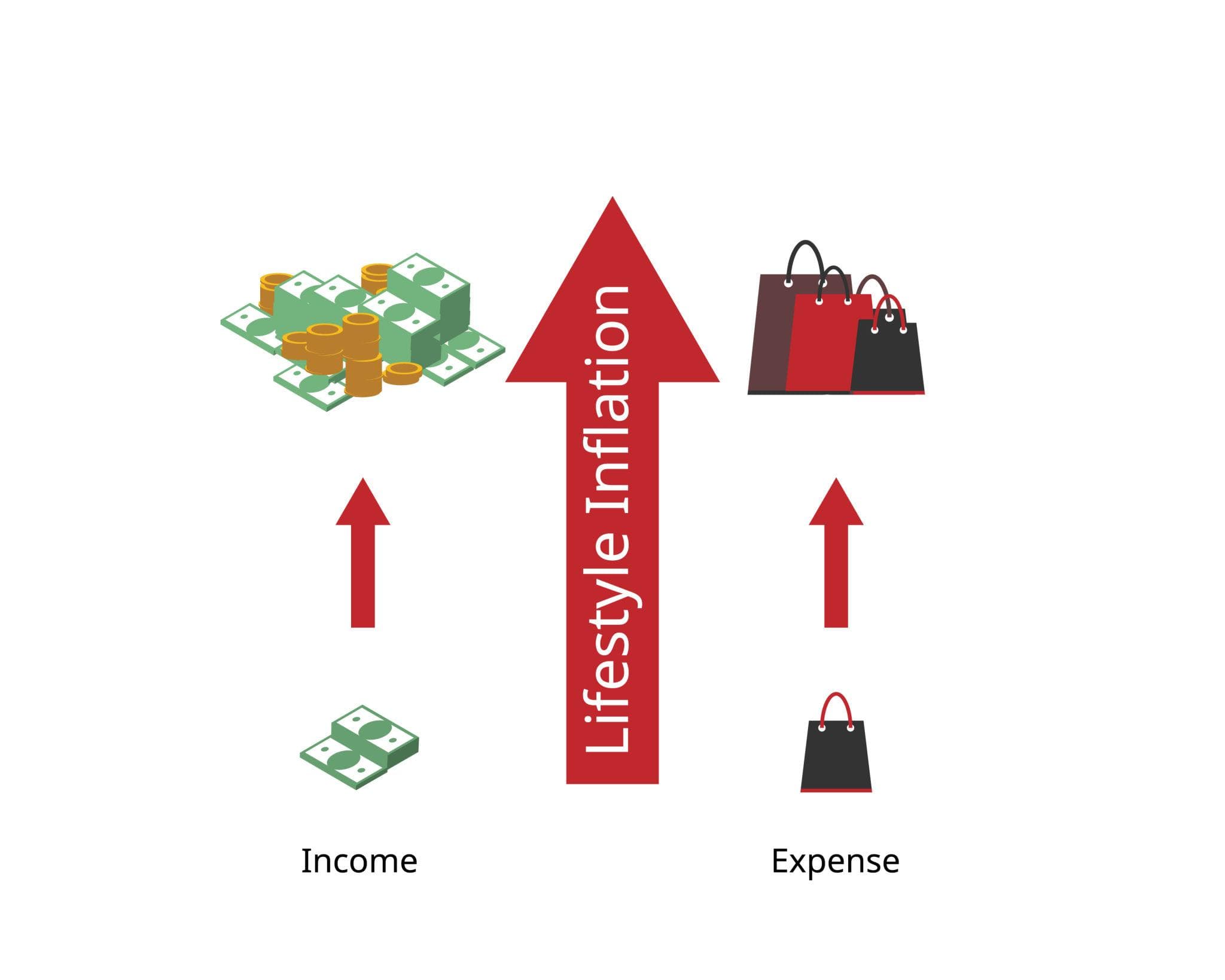
One key reason higher income doesn’t guarantee security is lifestyle inflation. As earnings increase, spending often rises at the same pace—or even faster. Bigger homes, expensive cars, subscriptions, and social expectations quietly consume the extra income. As a result, many high earners still live paycheck to paycheck.
Another overlooked factor is the absence of financial buffers. Without emergency savings, even a temporary setback—such as medical expenses, job loss, or unexpected repairs—can create stress and debt. Financial security depends on resilience, not just income.
Debt also plays a critical role. High-interest debt can erase the benefits of a good income. When a large portion of earnings goes toward repayments, financial flexibility disappears. People may earn more, yet still feel trapped.
True financial security comes from control and clarity:
• Knowing where money goes
• Spending intentionally
• Saving consistently
• Planning for uncertainty
It is not about deprivation, but about alignment—using money in ways that support long-term stability instead of short-term satisfaction.
In the long run, financial security is less about how much money comes in, and more about how wisely it is managed.
One key reason higher income doesn’t guarantee security is lifestyle inflation. As earnings increase, spending often rises at the same pace—or even faster. Bigger homes, expensive cars, subscriptions, and social expectations quietly consume the extra income. As a result, many high earners still live paycheck to paycheck.
Another overlooked factor is the absence of financial buffers. Without emergency savings, even a temporary setback—such as medical expenses, job loss, or unexpected repairs—can create stress and debt. Financial security depends on resilience, not just income.
Debt also plays a critical role. High-interest debt can erase the benefits of a good income. When a large portion of earnings goes toward repayments, financial flexibility disappears. People may earn more, yet still feel trapped.
True financial security comes from control and clarity:
• Knowing where money goes
• Spending intentionally
• Saving consistently
• Planning for uncertainty
It is not about deprivation, but about alignment—using money in ways that support long-term stability instead of short-term satisfaction.
In the long run, financial security is less about how much money comes in, and more about how wisely it is managed.