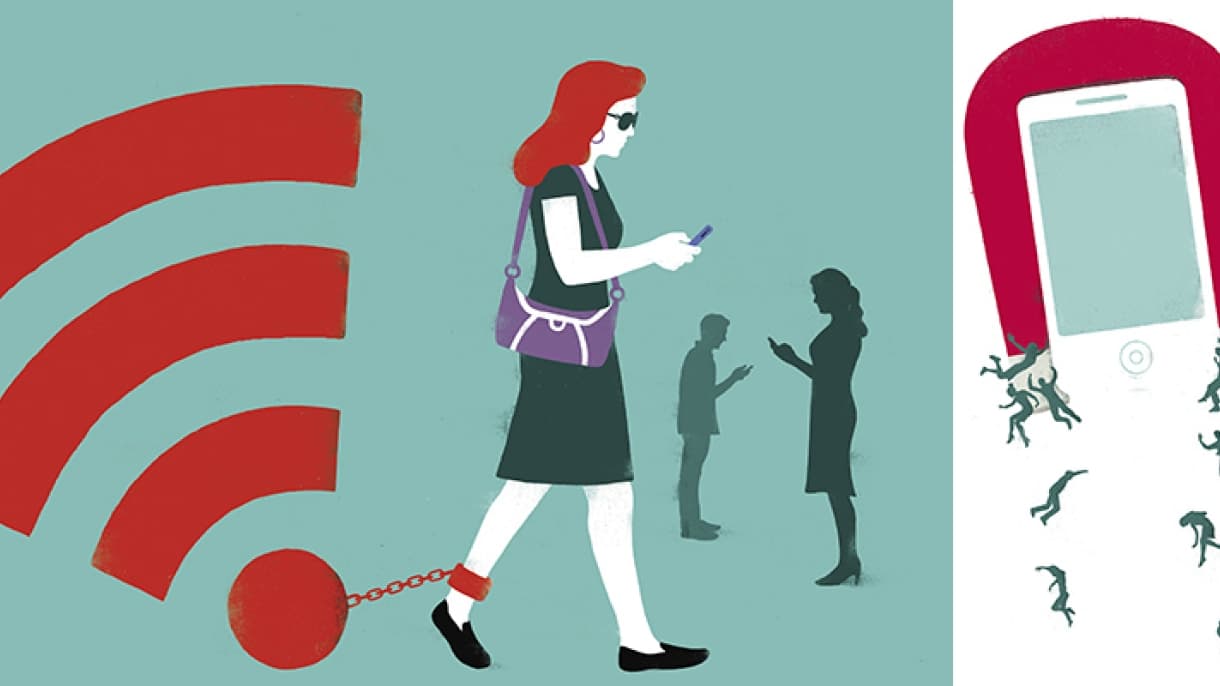
Modern technology is built around one powerful promise: convenience. With a few taps, we can order food, book travel, stream entertainment, and get instant answers. While this efficiency saves time, it is also quietly reshaping how we experience waiting, effort, and frustration.
One noticeable change is our declining tolerance for delay. When apps load slowly or services take longer than expected, irritation sets in quickly. Technology conditions us to expect immediate results, making even minor delays feel unacceptable.
Another effect is the erosion of effort-based satisfaction. When outcomes require little effort, the sense of achievement diminishes. Tasks that once felt rewarding now feel routine, reducing our appreciation for process and progress.
Convenience technology also alters how we deal with discomfort. Instead of sitting with boredom, uncertainty, or difficulty, we instantly seek digital relief. Over time, this avoidance weakens patience, focus, and emotional resilience.
Rebuilding patience does not require rejecting technology, but using it deliberately:
• Allowing small delays without reaching for a screen
• Choosing manual effort when convenience is unnecessary
• Practicing focus without constant stimulation
• Redefining efficiency as sustainability, not speed
When convenience becomes the default, patience becomes a skill rather than a trait. Like any skill, it can be strengthened through conscious use and restraint.
In the long run, true progress is not about eliminating all friction, but about learning which friction is worth keeping.
One noticeable change is our declining tolerance for delay. When apps load slowly or services take longer than expected, irritation sets in quickly. Technology conditions us to expect immediate results, making even minor delays feel unacceptable.
Another effect is the erosion of effort-based satisfaction. When outcomes require little effort, the sense of achievement diminishes. Tasks that once felt rewarding now feel routine, reducing our appreciation for process and progress.
Convenience technology also alters how we deal with discomfort. Instead of sitting with boredom, uncertainty, or difficulty, we instantly seek digital relief. Over time, this avoidance weakens patience, focus, and emotional resilience.
Rebuilding patience does not require rejecting technology, but using it deliberately:
• Allowing small delays without reaching for a screen
• Choosing manual effort when convenience is unnecessary
• Practicing focus without constant stimulation
• Redefining efficiency as sustainability, not speed
When convenience becomes the default, patience becomes a skill rather than a trait. Like any skill, it can be strengthened through conscious use and restraint.
In the long run, true progress is not about eliminating all friction, but about learning which friction is worth keeping.