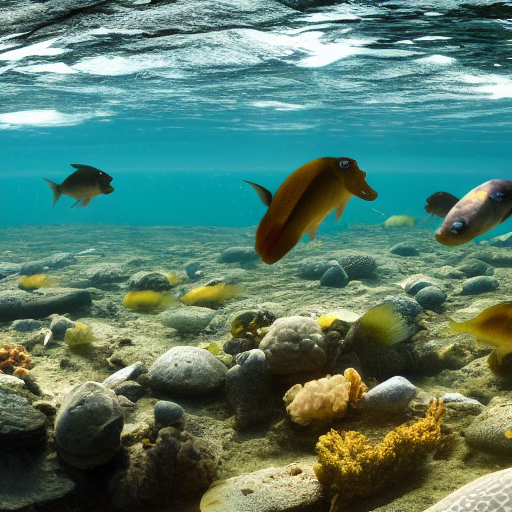
Federal and state wildlife agencies in the US breed millions of non-native fish each year and release them into the wild for recreational fishing. The practice is intended to boost declining fish populations, but it can have devastating effects on local ecosystems.
In Connecticut, the Department of Energy and Environmental Protection (DEEP) breeds and releases rainbow trout from the West Coast and brown trout from Europe, Asia, and Northern Africa.
While states take preventative measures to protect local ecosystems, introducing non-native fish can still wreak havoc. The practice has raised concerns about its impact on native species and the environment.
This video examines the paradox of fish stocking in the US, exploring both the potential dangers and conservation benefits.