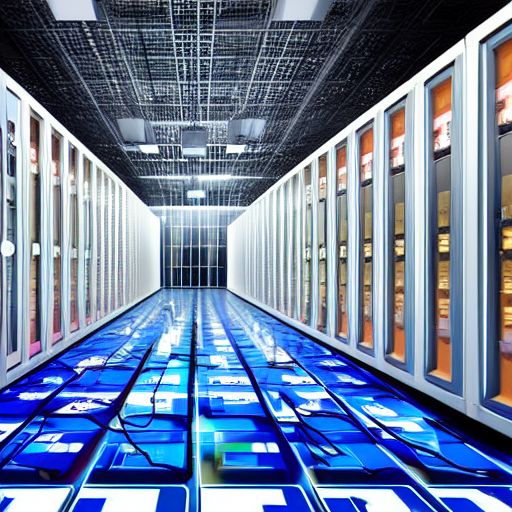
Data centers in the United States are driving up electricity costs and straining transmission grids, with power companies turning to fossil fuels to meet demand. The country's biggest power grid, PJM Interconnection, has postponed or canceled planned closures of 60% of its fossil fuel plants last year.
Virginia-based Dominion Energy has invested in gas and nuclear power until 2039 to ensure reliable energy generation, while Nevada utility company NV Energy may miss the state's clean energy targets due to data center growth. NextEra Energy in North Carolina has also delayed its goal of achieving zero-carbon emissions by 2045.
Data centers require vast amounts of energy to power servers and process information, with AI models needing up to 20 times more electricity than current facilities. The reliance on fossil fuels is driven by the unique demands of data centers, which can consume as much electricity as 100,000 households.
Renewable energy advocates argue that investments in grid transmission lines and battery storage can provide extra energy without increased air pollution, while clean energy targets are being delayed or abandoned due to the strain on power grids.
Data center opponents are fighting back, with a recent Quinnipiac University poll finding 65% of Americans opposed to facilities near their homes. In New Jersey, residents managed to cancel a planned data center over environmental and energy concerns, while Maine legislators have backed a bill to pause new data center construction until November 2027.
As the US data center revolution continues, experts warn that the strain on power grids and increased reliance on fossil fuels could lead to long-term environmental and economic consequences.