Hungarian Prime Minister Viktor Orban's government has been accused of using football clubs to exert influence over local communities and secure electoral support.
The MTK Sportpark in Budapest, where US Vice President JD Vance addressed a pre-election rally on Tuesday, is one example of the strong ties between Fidesz and Hungarian football clubs. The venue is used by various sporting departments of the MTK Budapest club, whose football team has won 23 national titles.
According to Gyozo Molnar, a professor of sociology of sport and exercise at the University of Worcester, the stadium is Orban's preferred arena, and the vast network of football clubs, academies, and infrastructure projects across the country represents a material patronage network that ties local communities and local elites to Fidesz.
Every club in Hungary's top division has some influence from the party, whether through politicians appointed to executive roles, state-backed clubs or provision of funds. The TAO corporate income tax program allows corporations to write off donations to clubs as a tax deduction, sometimes up to 100%, funneling billions into government-backed clubs and contracts for construction reportedly handed to those close to Orban.
Orban's love of football has also been used to promote the national team and build stadiums abroad, including in Romania, Slovakia, Serbia, Slovenia, Croatia and Ukraine. This combines his loves of football with maintaining political power and is another vote winner.
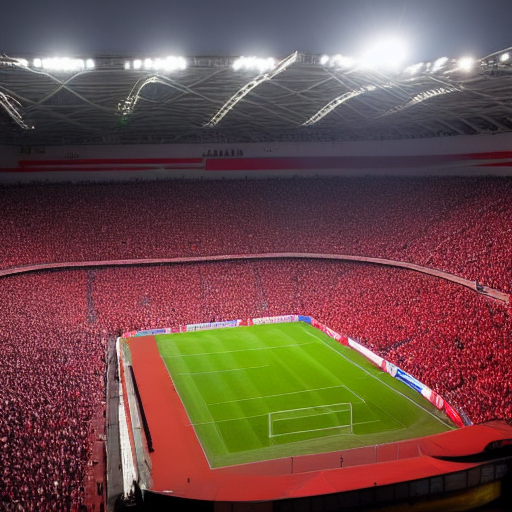
The stakes are high for Hungarian football, with Orban's party having built more than 25 stadiums around the country, including the Puskas Arena in Budapest, which will host the Champions League final on May 30. If Orban wins or loses the election, it will have significant implications for the sport and the country.
Edited by: Chuck Penfold
This article was originally published on April 9, 2026.