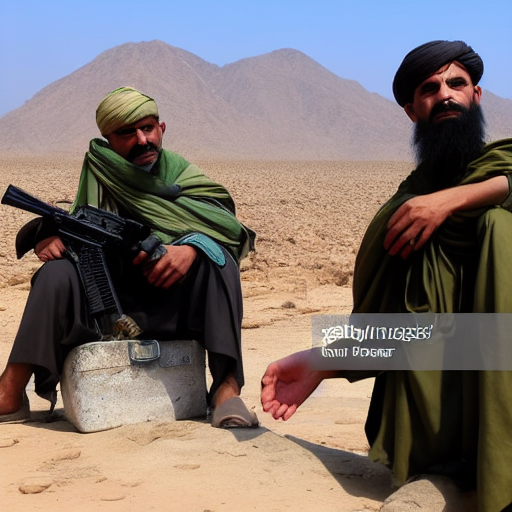
Some social media influencers have traveled to Taliban-controlled Afghanistan, posting videos that often lack context and may indirectly support the regime. Critics argue that these posts can be morally questionable, while others claim they provide a more nuanced view of life in the country.
Zoe Stephens, a travel influencer from Liverpool, has visited Afghanistan several times and published dozens of videos about her experiences there. She claims to present a more balanced picture than other content creators who often spend only a few days in the country.
However, critics argue that even well-meaning influencers can inadvertently support the Taliban regime by promoting tourism in the country. The regime has announced plans to boost tourism in Afghanistan, which could have negative consequences for human rights and the local population.
Claudia Paganini, a philosopher at the University of Innsbruck, argues that social media platforms should introduce stricter guidelines or quality seals for high-quality travel content. She notes that many problems cannot be made visible in a single social media video and that context is often lacking.
Johannes Klaus, a blogger who founded the platform Reisedepechen for travel writers, believes that introducing a code of conduct for bloggers could help promote more balanced and in-depth reporting on travel destinations. He notes that many travel content creators are primarily interested in aesthetics rather than the human rights situation in the country they are visiting.
Stephens acknowledges the challenges of providing factual reporting from Afghanistan while also working as a tour guide there. She admits to applying self-censorship to ensure she can continue her work and create a positive impact.